
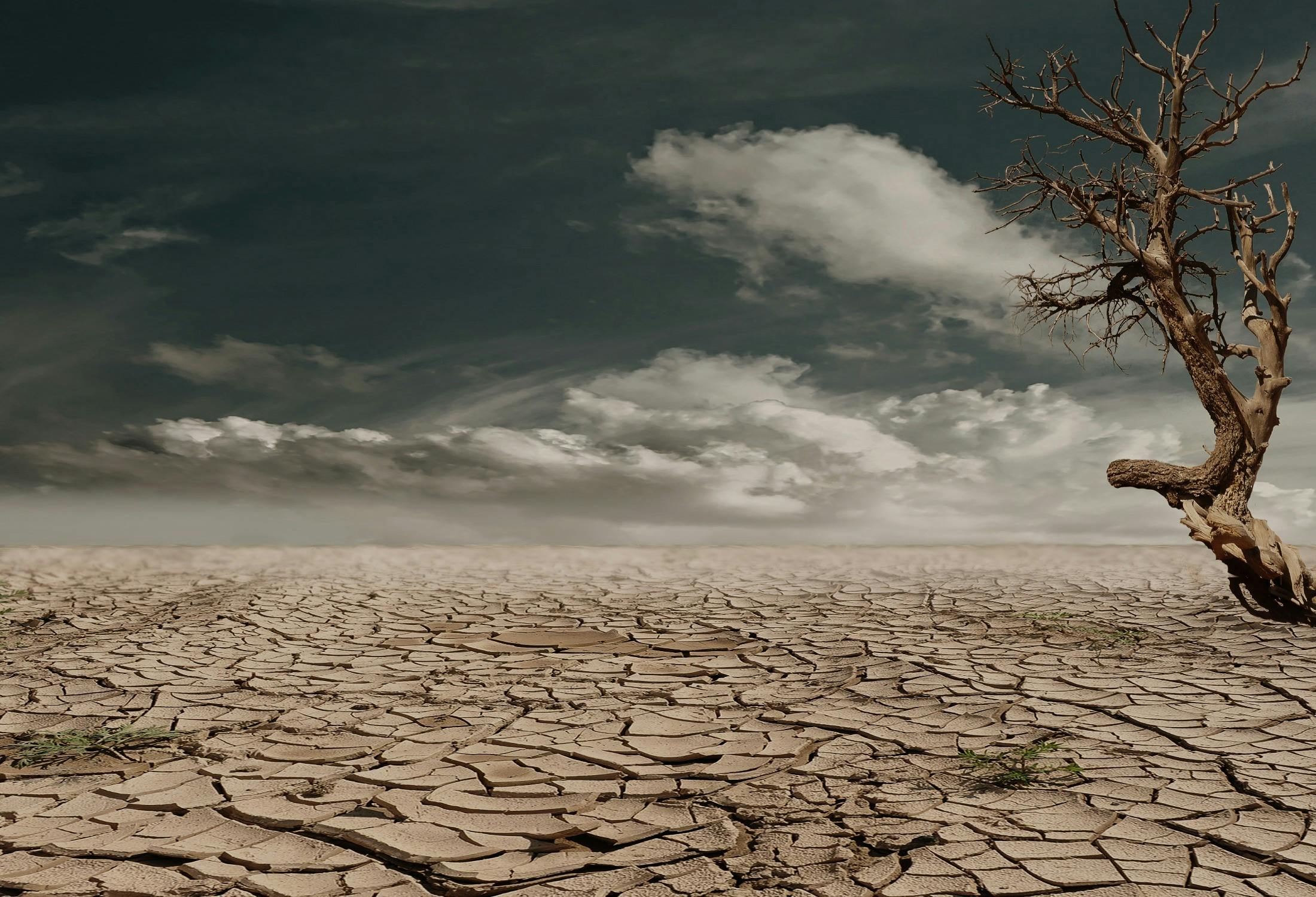
Whatever the headlines might indicate, climate change exists and cannot be ignored. The past 100 years show that affordable and reliable energy are key to producing the basic needs for all, like food, electricity, housing, health, education and sanitation. And yet, human activities geared towards enhancing a better quality of life and reliable energy for all have unequivocally caused global warming. Climate change is a global phenomenon affecting directly or indirectly almost every of the 7 billion humans on our planet, largely because of our patterns of production and consumption. Widespread, fast-occurring changes in the atmosphere and oceans are affecting weather and climate extremes in every region of the globe, leading to adverse impacts and related losses and damages to people and nature. Are such indications capable of changing the landscape in a quiet, all-out war pitting man against nature? Maybe. Maybe not. However, policies and laws addressing sustainable adaptation and mitigation practices have been on the increase since the 2014 Paris Climate Accords were generally, though not unilaterally adopted.
The most important question, in many forms, on climate change action has always been: “How do we ensure people from this erratic weather and the subsequent industry?” It is a question that the insurance industry as a whole has been dodging for some time now. Perhaps due to the limited knowledge and inconclusive opinions about how to mitigate and litigate against climate change. But the time has come. As more industries like the motor and manufacturing industries are starting to become more open to confront the issue with carbon emissions reduction programs, the insurance industry finds itself being at a unique point to generate products that also address climate action and bring a level of certainty to the ‘uncertain’ field.
Imagine an insurance policy that covered you against being absolutely negatively affected by the fast-paced, ever-changing climate? It might sound far-fetched, for now. But with the increased understanding and generated knowledge from different industries, it can be an actuality soon if not later. That can indeed happen if research and development programs in the insurance industry would be affected to better understand the potential risks and benefits of climate insurance as a component of climate policy, besides the foundational elements of greenhouse gas mitigation and adaptation. The opportunities for loss reduction on the basis of real-time early warning systems in weather prediction are promising but still need to be continually tried and tested.
Similarly, enrolling livestock and crops insurance products for farmers and pastoralists does not guarantee minimal insured losses due to uptake and other constraining factors. In claims management, insurers can devise better strategies for claims litigation, as well as gain the flexibility needed to handle difficulties within the litigation process. Thus, ensuring a win-win situation for the litigants and insurers. A win for humanity and nature.
With the advent of artificial intelligence-based software systems, – the same technology being used in weather prediction systems– they can help pinpoint heavy-impact insurance claims, allowing insurers to handle them better and timely. Such predictive models in insurance and climate change can sort through huge claims database and report on key insights about trendlines and risks. This leads to better handling of claims and increased transparency in how climate change losses are compensated and dealt with.
There is acute need for measured support and international cooperation to ensure that weather and climate uncertainty isn’t confined to just the popular industries of agriculture and energy. It is ballooning to a big problem that needs to be resolved by all stakeholders in the technology, education, agriculture, energy and other industries as well. Thanks to stronger and better regulation from different industry sectors, the insurance industry can protect more people from weather and climate uncertainties and risks in addition to improving its investment portfolio. We, boldly have to declare and signal a willingness to discuss further, to research widely and to support fully concerted efforts to comprehensively examine the risks and uncertainties of climate interventions. All stakeholders need to do a little bit just more to effectively manage their counterparts risks as pertains to the ever-changing climate of the 21st Century.
THE TIME FOR ACTION IS NOW!!!


